
Whether you are ordering cosmetic boxes, perfume bottle packaging, paper shopping bags or other packaging products, inconsistent printing colors will directly damage your brand image. If the color of finished packaging boxes deviates from expectations, the visual effects among different products may become uneven. Therefore, color difference control is a critical part of the production process for custom‑made packaging.
So how can we prevent severe color deviation in custom packaging printing?
1. Establish Clear Color Standards
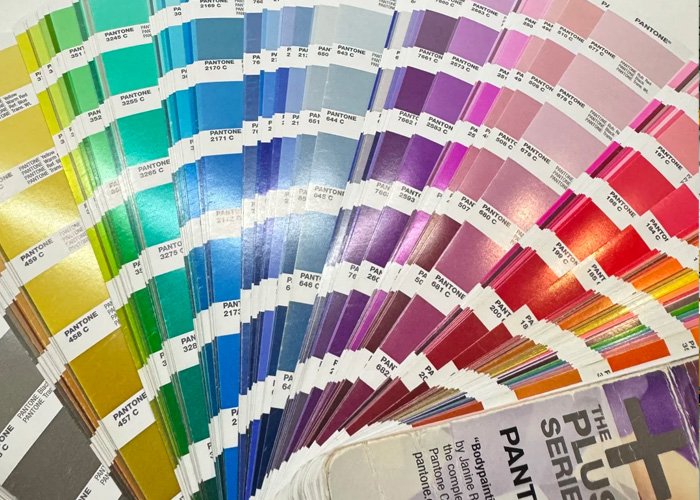
The first step in controlling printing color deviation is to set definite color standards before production. Clients shall provide accurate original design files and clearly specify required colors. For brands with strict spot‑color requirements, Pantone color numbers can be adopted to create a unified reference for both clients and packaging manufacturers.
For instance, if a beauty brand features an iconic pink shade, simply describing it as “light pink” is far from sufficient. Individuals, display screens and printing processes may interpret the same textual description differently. Clear color references help reduce communication errors. Before production, both parties shall confirm the following key information:
- CMYK four‑color printing or Pantone spot‑color requirements
- Finalized and approved design documents
- Physical color reference samples
- Paper materials for printing
- Surface finishing processes
- Expected visual effect after lamination
The more detailed the standards are defined, the easier it is to control color consistency in mass production.
2. Provide High‑Quality Original Design Files
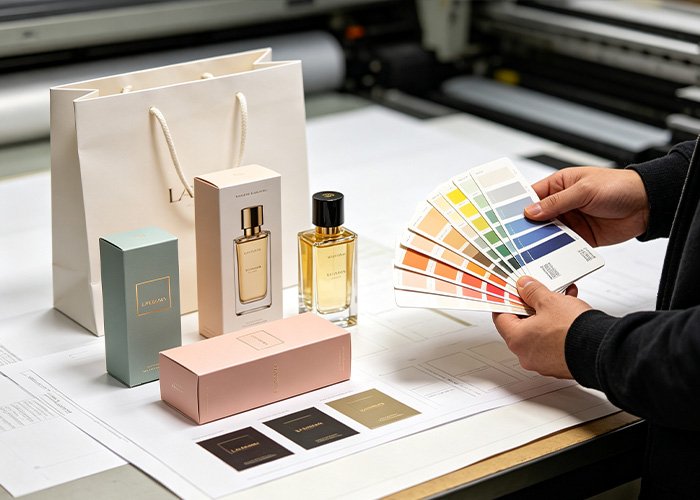
Submitted files in AI, PDF or PNG format should be vector files. When placing orders for custom packaging, clients are advised to supply press‑ready production files. Pieced‑together, low‑resolution files or files with incorrect color modes tend to yield unsatisfactory printing results.
Special note: Colors displayed on computer or mobile phone screens do not equal the real‑world printed colors. Screen brightness and device discrepancies may cause gaps between digital renderings and physical packaging products. Hence, before printing, check the color mode, resolution, fonts, dimensions and other printing specifications of the documents. During artwork verification, JS Packaging will actively communicate with clients to avoid foreseeable mistakes prior to mass production.
3. Confirm Printing Materials Before Mass Production
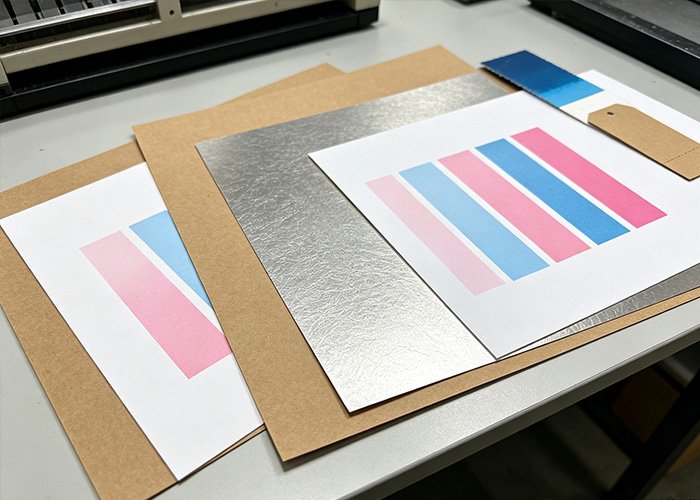
The same ink color presents different appearances on different materials — a point often overlooked by many clients. For example, one single color will look distinct when printed on white cardboard, kraft paper, textured specialty paper and metallic paper. Paper stock shapes the final visual presentation of inks. Gloss lamination brightens colors, while matte lamination delivers softer and more understated tones. If brands pursue high color consistency, final paper stock and surface finishing must be locked in before mass production. Changing paper or post‑press processes after color sample approval will very likely trigger color deviation in finished goods.
4. Confirm Samples Prior to Mass Production
Sample making is one of the most effective ways to mitigate risks of printing color deviation. Before placing large‑volume custom packaging orders, clients may request physical samples based on finalized designs, materials and printing requirements. Physical samples allow clients to view true colors instead of merely reviewing digital previews. Clients may verify the following items against samples:
- Overall color performance
- Accuracy and consistency of Logo colors
- Printing sharpness
- Contrast between color blocks
- Material appearance
- Effect of surface finishing
- Whether finished packaging meets brand expectations
Once samples and production requirements are confirmed, they will serve as key reference standards for mass production. Cognitive discrepancies and potential losses can be eliminated before large‑scale packaging manufacturing.
5. Maintain Stable Production Conditions During Mass Production
Color consistency control shall run through the whole process rather than being limited to certain stages. Professional printing management is required in mass‑production to guarantee stable finished effects. Ink conditions, printing equipment, production parameters and batch‑to‑batch material variations all affect final color output.
JS Packaging monitors the full production process and constantly compares semi‑finished printed products against agreed color standards. This ensures no obvious color difference within one batch of goods. Batch‑to‑batch color stability is especially vital for large orders. Brands do not want cosmetic boxes from separate batches to show visible color gaps when displayed side‑by‑side on shelves.
6. Attach Importance to Color Changes Caused by Post‑press Surface Finishing
Surface finishing can significantly alter the final visual appearance of printed products. Custom packaging frequently adopts premium processes including matte lamination, gloss lamination, UV coating, spot UV, hot stamping, embossing and special coatings. While these processes enhance packaging texture, they also modify perceived colors.
For example, colors right after printing differ from colors after lamination. Accordingly, color approval must be based on fully finished products instead of freshly printed sheets without post‑press treatments.
If your packaging involves special processes, confirm printing colors, paper materials and post‑press finishing all together at the sampling stage to prevent errors.
7. Follow Established Production Standards for Repeat Orders
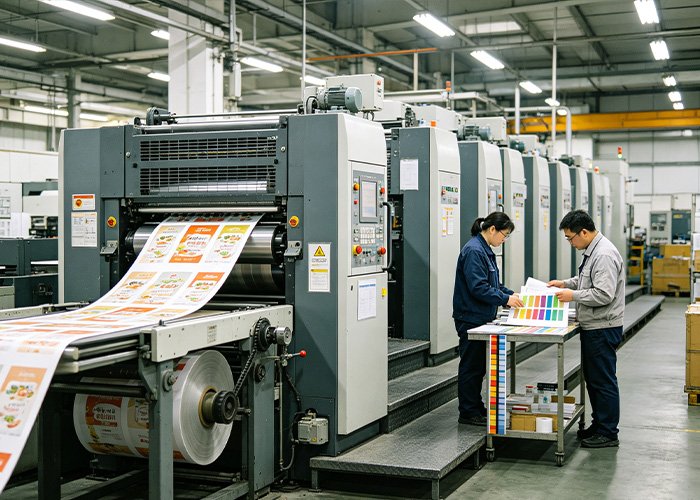
Color consistency also matters for repeat purchases. Many B2B clients re‑order identical packaging over long periods. Perfume, skincare and fashion brands may stick to the same packaging design for months or even years. To secure stable colors for repeat orders, JS Packaging archives complete project records: finalized artwork, material specifications, printing parameters and full details of post‑press processes.
When placing repeat orders, clients shall clearly inform manufacturers whether the new batch needs to match previously approved samples or old‑batch products. Complete archived records help us fully understand client expectations and deliver products with more stable colors.
Choose JS Packaging for Consistent Packaging Colors
JS Packaging provides one‑stop services including packaging consultation, box‑style selection, material recommendation, custom printing, Logo processing, sampling, mass production, finished‑product quality inspection, export packing and full‑order follow‑up. We confirm all production standards before mass production and keep smooth communication throughout, effectively reducing avoidable printing errors and delivering packaging products with consistent colors.
Feel free to contact JS Packaging to discuss your packaging requirements and obtain exclusive custom brand‑packaging solutions.