
For B2B clients , the core of customized environmentally friendly and sustainable packaging is “cost reduction, compliance , and meeting specific needs.” There’s no need to pursue high-end gimmicks; finding the right approach can achieve a win-win situation for both environmental protection and economic benefits. Below are simple and easy-to-understand customization steps, accompanied by real-world case studies to help you implement them quickly.
Ⅰ. Choose the right environmentally friendly materials: balance cost and compliance , and avoid "pseudo-environmentally friendly" materials.
Prioritize biodegradable , recyclable, and reusable materials, and avoid “pseudo-environmental” products. For example, electronic products can choose recycled PET packaging and biodegradable cushioning pads; supermarket brands can choose recycled corrugated paper and recyclable plastic boxes, without blindly pursuing high-priced materials.
Case Study: An electronics B2B client partnered with JS Packaging, opting for their 100% recycled kraft corrugated cardboard packaging with biodegradable cushioning lining, replacing the traditional “cardboard box + foam” combination. This not only reduced packaging costs by 15% and increased waste recycling rates to 65%, but also successfully met their ESG assessment requirements thanks to JS Packaging’s FSC environmental certification. Another logistics client used JS Packaging’s recyclable plastic corrugated boxes to replace disposable cardboard boxes, reducing cardboard box usage by 50,000 boxes annually. Furthermore, leveraging JS Packaging’s direct-from-factory advantage, they further reduced operating costs by 10%.
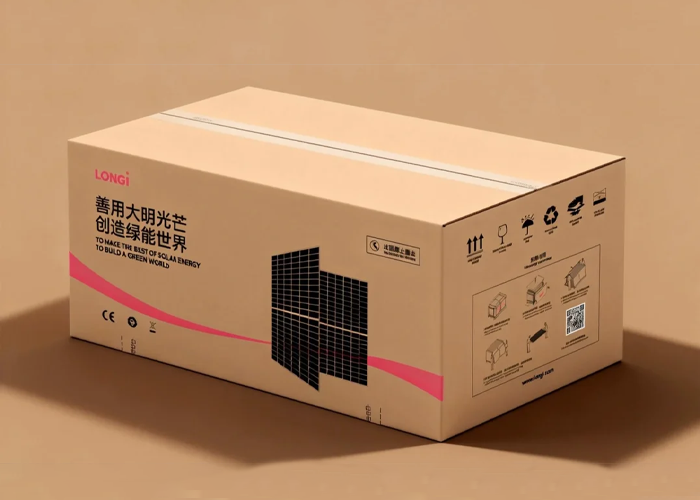
II. Optimize Packaging Design: Reduce Quantity + Reuse to Lower Long-Term Costs
Abandon excessive packaging, customize packaging according to product size to reduce material waste; at the same time, design reusable structures to extend the packaging life cycle and reduce long-term costs.
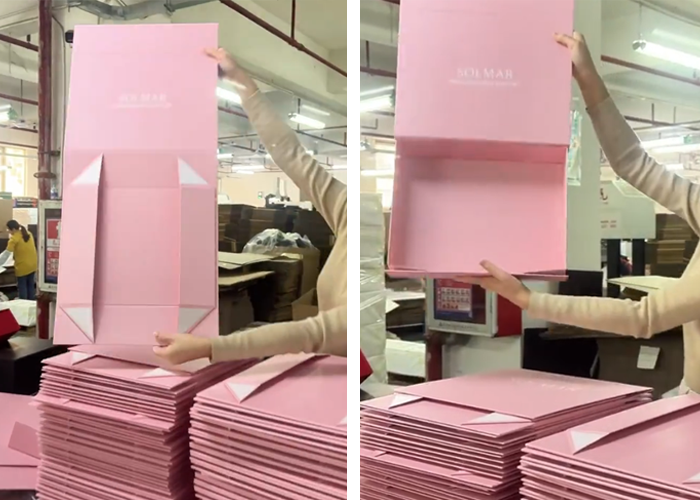
Case Study: A B2B client in the maternal and infant industry customized recyclable, foldable, and environmentally friendly packaging through JS Packaging. Featuring a glue-free, detachable design, it balances transport protection with ease of recycling. Used for factory-to-warehouse transport, it is reused 160,000 times annually, equivalent to reducing 160,000 cardboard boxes. Leveraging its foldable and flat transport advantages, it saves 60% on logistics costs and reduces overall packaging material costs by 30%. A cosmetics client chose JS Packaging’s tear-off, tape-free, environmentally friendly corrugated boxes to replace traditional tape-sealed cardboard boxes, increasing packaging efficiency by 50%, reducing tape usage by 75%, and lowering return rates by 10%.
Ⅲ.Tailor to specific scenarios: avoid a one-size-fits-all approach and adapt to industry needs.
Different solutions are suitable for different industries: simple and recyclable gift boxes can be made for FMCG B-ends , recycled PET bottles can be selected for beauty B-ends, and digital printing can be used for small and medium-sized B-ends to achieve small-batch customization and reduce inventory pressure.
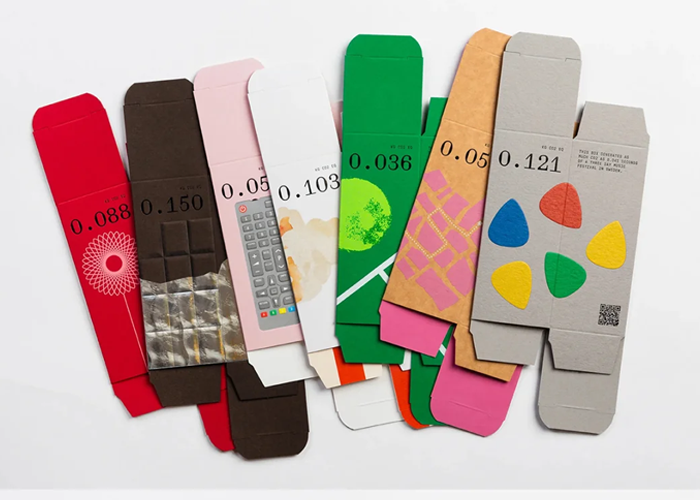
Case Study: A major health brand client commissioned JS Packaging to customize 1,000 eco-friendly recycled kraft paper packaging units. These units not only aligned with the brand’s eco-friendly image but also leveraged the social media appeal of the packaging’s minimalist design to generate secondary dissemination on various platforms. Furthermore, the client benefited from transparent pricing directly from the factory, further controlling costs.
IV. Key Reminder: Select the best full -chain partners for efficient implementation.
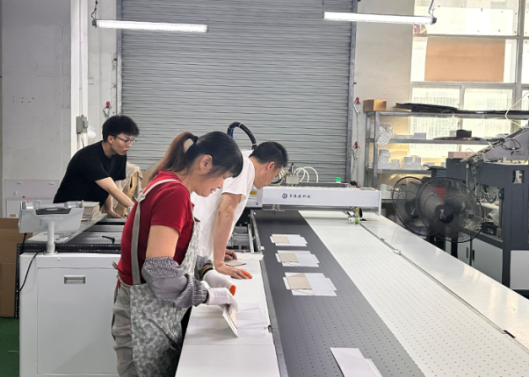
When customizing packaging , prioritize partners that can provide end-to-end services, covering material selection, design, and recycling. This saves time and ensures environmental compliance. Eco-friendly packaging is not a burden, but a crucial tool for B2B businesses to reduce costs, increase efficiency, and enhance brand competitiveness. Finding the right approach allows for rapid implementation.
Frequently Asked Questions
Q1: Will cooperating with you to customize eco-friendly packaging be more expensive than traditional packaging?
A1: No. After cooperation, clients’ packaging costs have been reduced (10%-30%), achieving both environmental compliance and cost control, avoiding high-priced waste.
Q2: Can you provide suitable environmentally friendly packaging solutions?
A2: Yes. JS Packaging can provide customized solutions for different products such as electronics, cosmetics, and health products, catering to the needs of various industries.
Q3: Are there any minimum order quantities for customized eco-friendly packaging?
A3: JS Packaging supports large-volume customization, with a minimum order of 1000 pieces.