
When customizing packaging for cross-border e-commerce, retail, or brand promotion, prototyping is a crucial step—it directly determines the final presentation and customer satisfaction. Many businesses focus on material selection, design schemes, and cost accounting during the customization process, easily overlooking key details in the prototyping stage. This can lead to rework, delivery delays, increased costs, and even failure to meet international market standards. This article focuses on three easily overlooked prototyping details to help you save time, reduce costs, and make your custom packaging stand out in the global market.
1. Color deviation
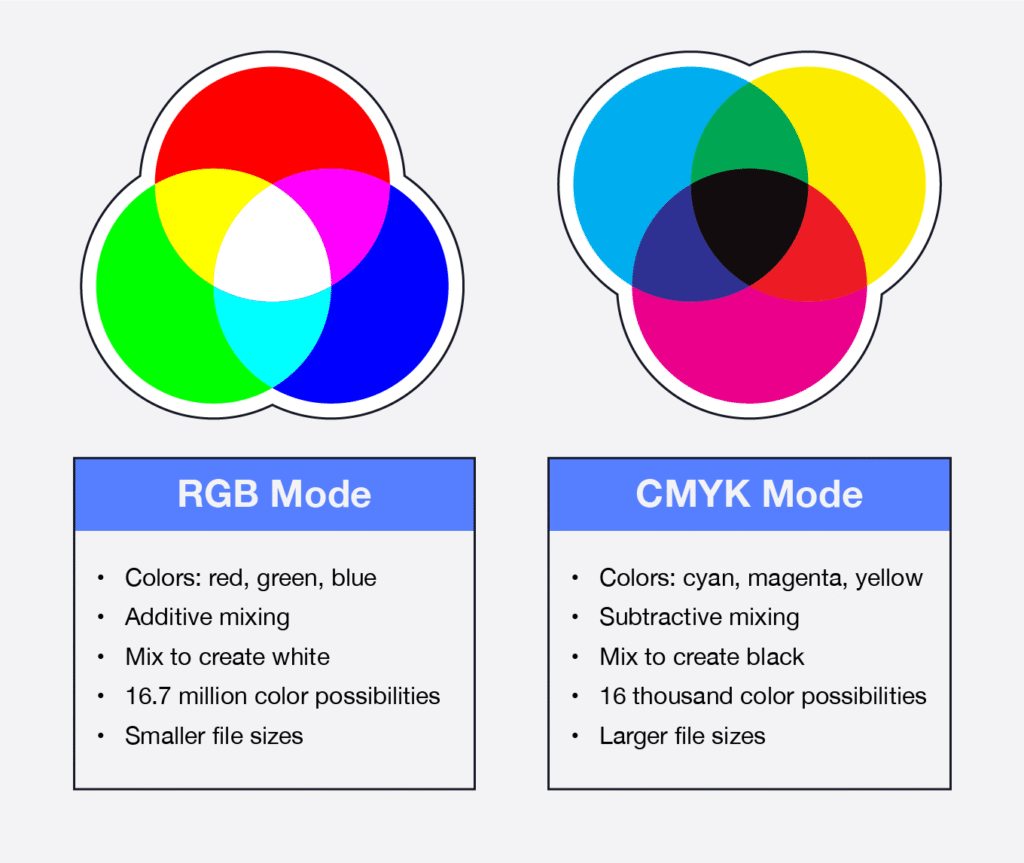
Color is a core element of brand identity. Even the slightest color deviation on packaging can affect customers’ recognition and perception of the brand. However, many businesses only check the design drafts on the computer and neglect color verification during the sampling stage, ultimately resulting in the finished packaging colors not matching the brand’s standard colors. This is one of the most common and costly mistakes in customized packaging.
- Easily overlooked reasons: Computer screens use the RGB color mode, while packaging printing uses the CMYK or Pantone color mode, so there is a difference between the colors displayed on the screen and the actual printed colors; in addition, many merchants only rely on electronic drafts for confirmation and do not require physical samples for color verification.
- Potential Risks: Color discrepancies can make it difficult for customers to identify the brand, disrupt brand visual consistency, and even lead to customer returns. For high-end brands, color inconsistencies can significantly reduce the perceived value of the product. Furthermore, some countries and regions have strict requirements for packaging colors, and color discrepancies may result in non- compliance .
- Tips for avoiding pitfalls :
- Clearly specify color standards in the customization contract, giving priority to Pantone color codes, and ensure that the printing plant strictly follows the standards;
- Always request a physical sample, not just an electronic copy. Check the colors under natural light to ensure they are completely consistent with the brand’s standard colors.
- If the packaging contains gradient colors or complex patterns, request the printing factory to provide a full-color printing proof to verify whether the color transition effect and saturation meet the standards.
2. Size fit
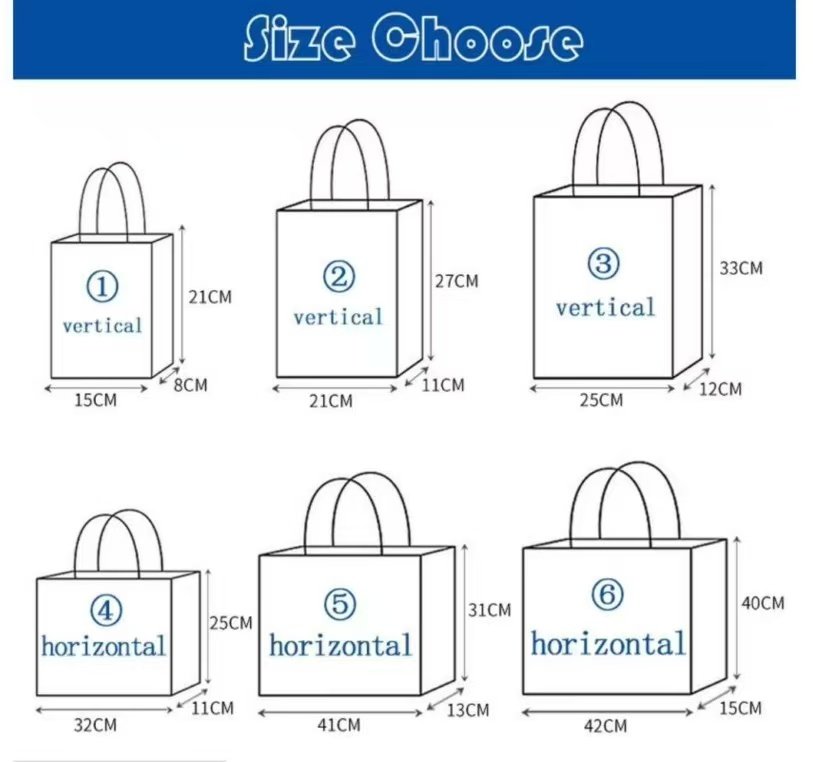
Size is another crucial detail that is easily overlooked during the sampling stage. Many businesses only measure the length, width, and height of the product, but neglect the fit between the packaging and the product, as well as the space required for cushioning materials and inner trays, ultimately resulting in finished packaging that is either too loose or too tight.
- An easily overlooked reason: Merchants often focus on the “external dimensions” of the packaging, but neglect the “internal fit” with the product. They subjectively judge the fit based solely on the dimensions calculated on paper, without testing the actual fit with a physical sample during the sampling process.
- Potential Risks: For cross-border merchants, product damage during long-distance transportation increases costs and reduces customer satisfaction. Loose packaging makes products prone to breakage upon impact; overly tight packaging makes it easy to tear upon opening, ruining the unpacking experience. Furthermore, improper sizing can lead to increased logistics costs (oversized packaging takes up more shipping space).
- Tips for avoiding pitfalls :
- When verifying the sample, be sure to bring the actual product or sample to ensure that the product can be easily loaded and unloaded, and that adequate cushioning material space is reserved;
- If it is a multi-product combination package, the fit of the entire set of products must be tested to avoid crowding or loosening;
- During the sampling stage, the thickness of the packaging material is verified simultaneously to ensure that its strength is sufficient to support the weight of the product and resist compression during transportation.
3. Process Details
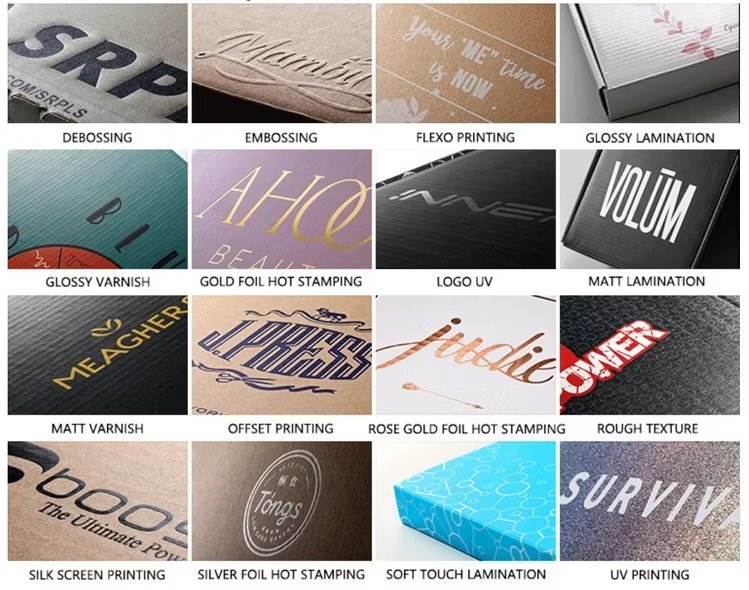
Details such as hot stamping and embossing are often overlooked by businesses during sampling, but they directly affect the durability, appearance, and brand image of the packaging. Even a small flaw can make the packaging look cheap and reduce customer trust in the brand.
- The reason it’s easily overlooked: Merchants focus excessively on the overall design and materials of the packaging, neglecting minor craftsmanship flaws in the sampling process, deeming them “unimportant.” However, these small flaws are magnified during mass production, ultimately leading to a large number of substandard products.
- Potential risks: Uneven adhesive bonding can cause packaging to fall apart during transport; blurred hot stamping or embossing can make brand logos unreadable; incomplete crease lines can increase the difficulty of packaging assembly. These problems not only affect the appearance but also reduce the durability of the packaging, leading to product damage and customer complaints.
- Tips for avoiding pitfalls :
that there are no cracks or flakes when folded ;
- Check the adhesive areas to ensure they are firmly and evenly bonded, with no excess adhesive or detachment.
- Verify the quality of processes such as hot stamping, embossing, and UV coating to ensure that the pattern is clear, the color is uniform, and there are no issues such as peeling, blurring, or smudging;
Summarize
Sampling is a crucial step in packaging customization. The three details mentioned above can potentially lead to unnecessary cost losses, delivery delays, and brand damage for cross-border merchants. Color deviations, size mismatches, and craftsmanship defects may seem like minor issues, but they can have a significant impact on a brand’s development in the global market.
Pay close attention to these easily overlooked sampling details, and carefully verify the color, size, and workmanship of the samples . Alternatively, you can contact JS Packaging, a factory with 27 years of professional custom packaging experience. They can effectively help you avoid common pitfalls, ensuring that your custom packaging not only meets standards but also perfectly adapts to your product needs, thereby enhancing your brand’s competitiveness in the global market. If you need custom packaging, please contact JS Packaging!